
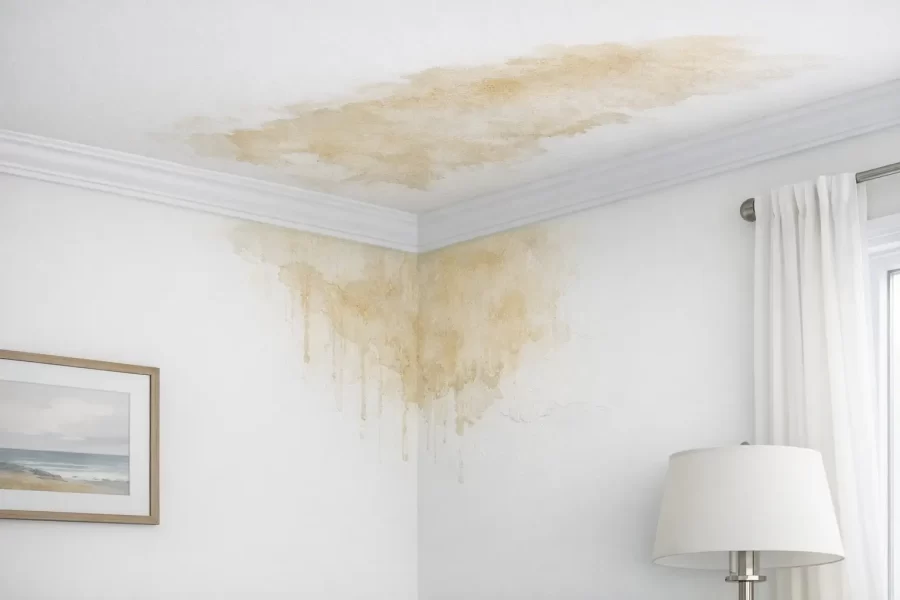
The most destructive plumbing leaks are the ones you cannot see. A burst pipe under the kitchen sink is obvious—you see the water, you call a plumber, and it gets fixed the same day. But a slow leak behind a bathroom wall, inside a ceiling cavity, or beneath a tiled floor can run for weeks or months before producing a single visible symptom. By the time you notice the stain, the smell, or the warped baseboard, the damage behind the surface is often far worse than it appears.
Nationally, hidden water leaks account for a disproportionate share of the $13 billion in annual water damage insurance claims (NAIC). The average homeowner claim for water damage is approximately $15,400 (Insurance Information Institute, 2025)—and a significant portion of those claims involve damage that accumulated over time from concealed leaks that were never detected. In Miami’s subtropical climate, the consequences are amplified: mold can begin growing within 24–48 hours of moisture exposure (FEMA), and South Florida’s year-round heat and humidity create ideal conditions for rapid mold colonization behind walls and above ceilings.
This guide covers the warning signs of hidden leaks, where they most commonly occur in Miami homes, how professional non-invasive detection works, and what the repair process looks like—so you can act before a small, invisible problem becomes a major, expensive one.
10 Warning Signs of a Hidden Water Leak in Your Home
Hidden leaks communicate their presence through subtle environmental changes long before visible water damage appears. Learn to recognize these early indicators:
| # | Warning Sign | What to Look For |
|---|---|---|
| 1 | Unexplained Water Bill Increase | A 15–25% spike in your monthly water bill with no change in usage patterns. Even a pinhole leak can waste 200–400 gallons per day. |
| 2 | Musty or Moldy Odor | Persistent earthy or mildew smell in specific rooms, especially bathrooms or closets near plumbing walls. |
| 3 | Wall Discoloration or Staining | Yellow, brown, or dark patches on walls or ceilings that grow over time. |
| 4 | Bubbling, Peeling, or Cracking Paint | Moisture behind drywall pushes paint away, causing bubbles or flaking. |
| 5 | Warped or Buckled Flooring | Wood, laminate, or vinyl flooring that lifts, cups, or warps. |
| 6 | Soft or Spongy Drywall | Walls that feel soft or damp, especially near bathrooms or kitchens. |
| 7 | Sounds of Running Water | Dripping or hissing sounds when all fixtures are off. |
| 8 | Visible Mold Growth | Dark spots or fuzzy patches on walls, baseboards, or ceiling corners. |
| 9 | Drop in Water Pressure | Gradual decrease in pressure at fixtures due to water escaping behind walls. |
| 10 | Water Meter Running | If the meter moves with all fixtures off, a hidden leak is present. |
The meter test is the single most reliable DIY leak check. Any movement confirms a leak—even if you can’t see it.
Where Hidden Leaks Most Commonly Occur in Miami Homes
Behind Bathroom Walls
Bathroom plumbing walls contain the highest concentration of supply and drain connections. In older Miami homes with copper piping, corrosion and thermal cycling often cause pinhole leaks.
Inside Ceiling Cavities
Second-story bathrooms, rooftop HVAC units, and attic hot water lines frequently cause ceiling leaks. Water often travels along framing before appearing as a stain.
Beneath Kitchen and Laundry Flooring
Dishwasher lines, refrigerator water feeds, and washing machine hoses can leak slowly, saturating subfloors before any visible damage appears.
Around Water Heater Closets
Water heaters older than 10 years are prone to slow tank leaks that run behind walls or along floors.
Inside HVAC Condensate Systems
Clogged condensate lines and cracked drain pans are among the most common causes of hidden ceiling and wall damage in Miami homes.
How Professional Non-Invasive Leak Detection Works
Step 1: Visual and Environmental Assessment
Technicians inspect visible indicators and correlate them with plumbing layout knowledge.
Step 2: Pressure Isolation Testing
Each plumbing system is isolated and pressure-tested to confirm which system contains the leak.
Step 3: Acoustic Detection with Goldak 4360
The Goldak 4360 uses high-sensitivity microphones and frequency filtering to detect escaping water behind walls and floors.
Step 4: Thermal Imaging
Infrared cameras detect temperature anomalies caused by moisture saturation.
Step 5: Electronic Moisture Mapping
Moisture meters measure moisture levels inside wall cavities and flooring substrates.
Step 6: Precision Marking and Diagnosis
The exact leak location is marked, and repair options are explained before any cutting begins.
The Cost of Ignoring Hidden Leaks: Repair and Restoration Costs
| Damage Category | Cost Range | Average |
|---|---|---|
| Leak Detection (non-invasive) | $150–$600 | $350 |
| Plumbing Repair | $150–$1,500 | $500 |
| Drywall Repair | $300–$850 | $550 |
| Ceiling Repair | $350–$1,500 | $800 |
| Flooring Repair/Replacement | $200–$3,000 | $1,200 |
| Mold Remediation | $375–$7,000 | $2,500 |
| Full Water Damage Restoration | $1,384–$6,387 | $3,867 |
| Structural Repair | $5,000–$15,000+ | $8,000+ |
A $350 detection visit and a $500 pipe repair caught early prevents $3,000–$15,000+ in restoration costs.
Why Miami Homes Are Especially Vulnerable to Hidden Leak Damage
- Year-round humidity: Moisture from leaks does not evaporate, accelerating mold growth.
- Continuous AC operation: Constant condensation and temperature differentials mask leak signatures.
- Slab-on-grade construction: No crawl space means water accumulates behind walls and floors.
- Aging plumbing: Many homes still use 30–60+ year-old copper piping.
- Rapid mold growth: Mold can begin growing within 24–48 hours in Miami’s climate.
Frequently Asked Questions About Hidden Leak Detection
How long does professional hidden leak detection take?
Most homes take 1–3 hours depending on size and plumbing complexity.
Will you have to cut into my walls?
No. Access cuts are only made after the leak is precisely located.
Does homeowners insurance cover hidden leak damage?
Most policies cover sudden and accidental water damage, but not long-term neglect.
Can I use a store-bought moisture meter?
Consumer meters detect surface moisture but cannot pinpoint leak sources.
How much water does a hidden leak waste?
A pinhole leak can waste 200–400 gallons per day—enough to double a water bill.
Schedule Hidden Leak Detection in Miami-Dade & Broward
If you’re noticing any warning signs—unexplained water bill increases, musty odors, staining, or soft spots—don’t wait. Morata Plumbing’s non-invasive detection technology finds hidden leaks fast, without damaging your home.
(786) 238-7748 or visit morataplumbingmiami.com to schedule service. Available 24/7 across Miami-Dade and Broward.
