
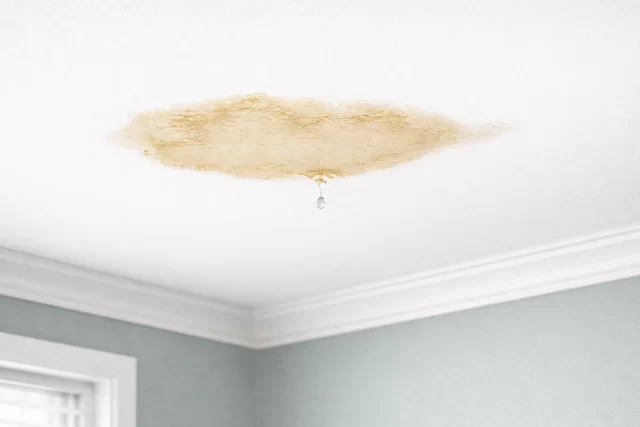
That unexplained spike in your water bill. The mysterious sound of running water when nothing’s on. A warm spot on your floor that wasn’t there before. These are all signs of a hidden water leak—and in South Florida, they’re more common than you might think.
According to the EPA’s WaterSense program, household leaks waste nearly 1 trillion gallons of water nationwide each year. A single leaking toilet can waste 200 gallons per day. The good news? Professional leak detection can pinpoint problems quickly—often without any digging or demolition.
What Are the Signs of a Hidden Water Leak?
Signs of a hidden water leak include unexplained increases in your water bill, the sound of running water when fixtures are off, warm or wet spots on floors, musty odors, low water pressure, and cracks in walls or foundation. If you notice any of these warning signs, contact a professional leak detection service immediately to prevent costly damage.
Warning Signs You May Have a Hidden Leak
- Unexplained water bill increase: 20% or more without usage change
- Sound of running water: when all fixtures are turned off
- Water meter keeps running: after you shut off all water in the house
- Warm spots on floor: indicates hot water line leak under slab
- Wet or damp spots: on floors, walls, or ceilings
- Musty or moldy odors: in certain areas of your home
- Cracks in walls or foundation: that appeared suddenly
- Low water pressure: throughout the house
- Mold or mildew growth: in unexpected places
- Discolored water: or rust-colored stains
How Do Professional Plumbers Detect Hidden Leaks?
Modern leak detection has come a long way from the days of tearing up floors and walls to find a leak. Today’s technology allows plumbers to locate leaks with pinpoint accuracy—often without any demolition at all.
Acoustic Leak Detection
This is the most common method for finding underground and in-wall leaks. Specialized electronic equipment amplifies the sound of water escaping from pipes. Even small leaks create distinct sounds that trained technicians can identify and locate. According to the American Water Works Association, acoustic detection is one of the most effective methods for locating leaks in pressurized water systems.
Thermal Imaging Cameras
Infrared cameras detect temperature differences in walls, floors, and ceilings. Since water changes the temperature of surrounding materials, thermal imaging can reveal hidden moisture without any invasive testing. This is especially useful for detecting hot water line leaks under concrete slabs—a common issue in South Florida homes.
Video Camera Inspection
For sewer line and drain leaks, we insert a waterproof camera into the pipe to see exactly what’s happening inside. This technology identifies cracks, root intrusion, corrosion, and joint separations. The camera records footage so you can see the problem yourself and understand the recommended repair.
Pressure Testing
We isolate sections of your plumbing system and test pressure to determine if and where leaks exist. If pressure drops in a specific section, we know there’s a leak in that area. This method helps narrow down the search before using other detection tools.
Common Types of Hidden Leaks in South Florida Homes
| Leak Type | Common Signs | Detection Method |
|---|---|---|
| Slab Leak | Warm floors, high bills, foundation cracks | Acoustic, thermal imaging |
| Pipe Leak (in wall) | Wet drywall, mold, peeling paint | Thermal imaging, acoustic |
| Sewer Line Leak | Sewage smell, soggy yard, slow drains | Video camera inspection |
| Water Main Leak | Low pressure, wet yard near meter | Pressure testing, acoustic |
| Toilet Leak | Running water sound, high bills | Dye test, visual inspection |
Why Leak Detection Is Critical in South Florida
South Florida’s unique environment creates conditions that make water leaks both more common and more damaging:
Soil conditions:
The limestone and sandy soil common in Miami-Dade, Broward, and Palm Beach counties can shift and settle, putting stress on underground pipes and causing cracks.
Hard water:
South Florida’s mineral-rich water accelerates pipe corrosion from the inside out, especially in copper and galvanized steel pipes.
Humidity and mold
Our high humidity means even small leaks quickly lead to mold growth. The CDC warns that mold can begin growing within 24-48 hours of water exposure.
Older homes:
Many South Florida homes built before 1990 have polybutylene or galvanized pipes that are prone to failure and hidden leaks.
The Cost of Ignoring a Hidden Leak
A small leak might seem like a minor issue, but the damage compounds quickly:
- Water waste: A 1/8-inch crack in a pipe can leak 250+ gallons per day
- Structural damage: Water weakens drywall, wood framing, and foundations
- Mold remediation: Professional mold removal can cost $2,000-$10,000+
- Higher utility bills: Leaks can add hundreds to your monthly water bill
- Insurance issues: Many policies don’t cover damage from gradual leaks
Our Leak Detection Process
- Initial assessment: We review your water bills, discuss symptoms, and inspect visible plumbing
- Meter test: We check your water meter to confirm a leak exists and estimate its size
- Systematic detection: Using acoustic equipment, thermal imaging, and pressure tests, we pinpoint the leak location
- Clear explanation: We show you exactly where the leak is and explain your repair options
- Upfront pricing: You get a written estimate before any repair work begins
Schedule Professional Leak Detection Today
Suspect a hidden leak in your South Florida home?
Morata Plumbing uses advanced leak detection technology to find leaks fast—often without cutting into walls or digging up your yard.
Call (786) 238-7748
Serving Miami, Fort Lauderdale, Boca Raton, and all of South Florida
Visit morataplumbingmiami.com
